


What is 1:1 emotional support?
Our Recovery Practitioners support people in Devon experiencing a variety of mental health difficulties. They aim to help you develop skills and strategies that will enable you to work towards improving your wellbeing and recovery.
Adopting a trauma-sensitive approach, Recovery Practitioners can support you in developing a goal that you wish to work towards. The support provided aims to empower people to start to feel in a more positive place to manage things day-to-day, no matter how small this may be.
Some people may be interested in accessing activities run by other organisations, but feel daunted by the idea of attending these — Recovery Practitioners can also use some of the sessions to help explore what steps people can take to enable them to participate fully in activities that they feel would have a positive impact on their mental health.
What we do offer:
Support to develop skills and strategies to enable you to work towards improving your emotional wellbeing
Tailored, person-centred, strength-based 1:1 support
Short-term support — up to 5 sessions scheduled weekly or fortnightly (including the initial assessment session)
Wellbeing activities to help promote physical and mental wellbeing whilst building community connections
Support with recognising and managing emotions that can include struggling with anxiety, anger, shame, and guilt
Support around isolation and avoidance behaviours
Support with developing confidence and building resilience
Support to develop self-help strategies by identifying possible triggers and using tools including CBT strategies, DBT skill techniques, wellness recovery action plans, and grounding and mindfulness techniques
Support recognising the importance of self-care and compassion
Support with linking into local community activities and services
Collaborate with other services that may be supporting you to try and ensure that support is coordinated and meeting your needs
What we don’t offer:
Immediate crisis support/response — If you are in need of urgent help, please refer to our Urgent Help page
Support with medical diagnosis — We are not able to provide a diagnosis for a mental health or other condition
Information and advice relating to medication
Acute therapy sessions
Long-term support (our support offer is up to 5 sessions)
Testimonials:

“At the start, I was a very lost and broke individual. My Recovery Practitioner opened my eyes and made me realise what I was experiencing was out of my control, which led to my autism diagnosis. She understood me and was professional and easy to talk to.” — Adam, December 2025
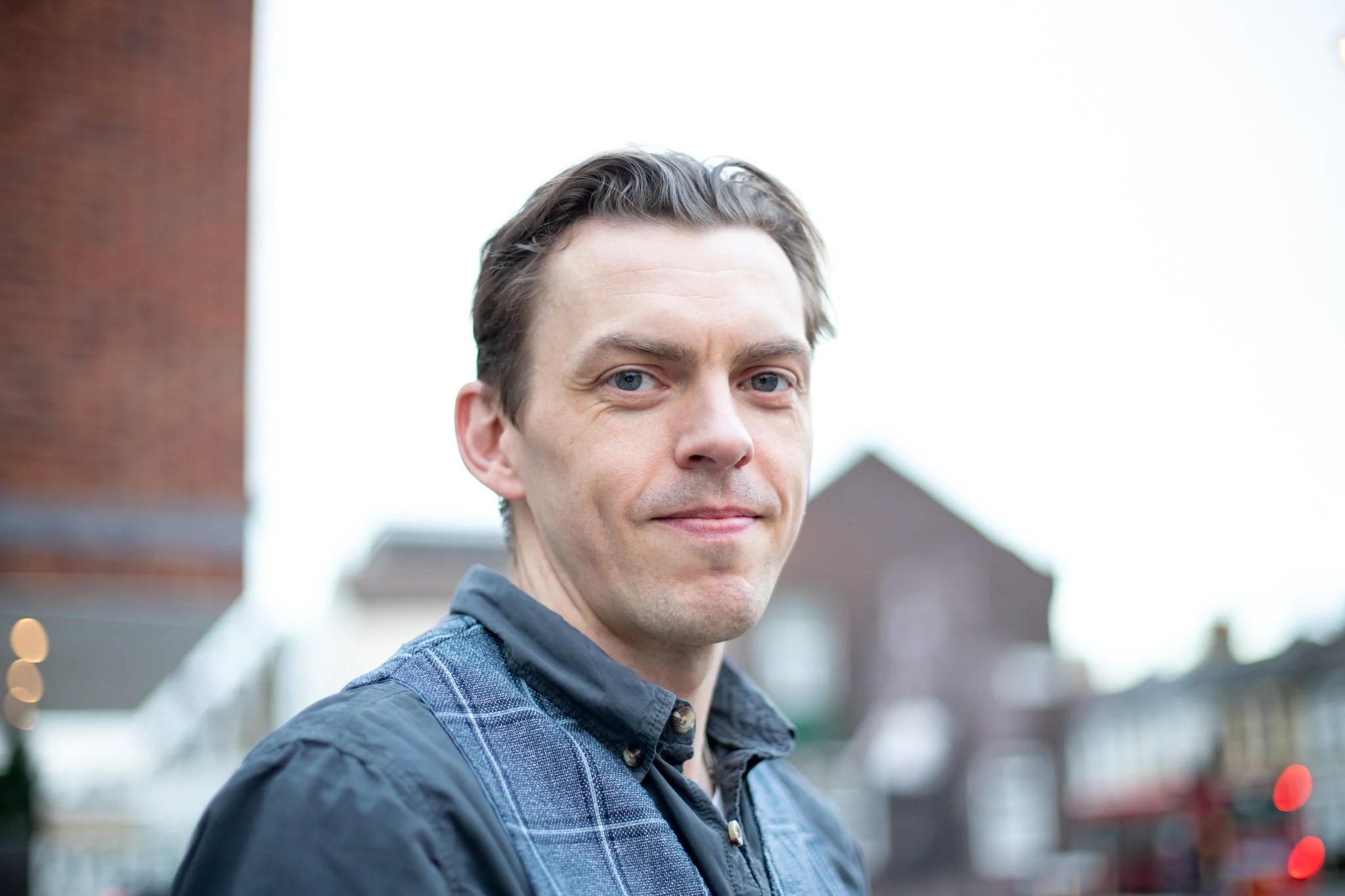
“I was listened to throughout; the Recovery Practitioner was skilled in reflecting and summarizing my thoughts. He shared relevant and useful resources, which I will continue to use to aid my wellbeing beyond the end of this support. I would recommend this service to anyone.” — Andrew, June 2026
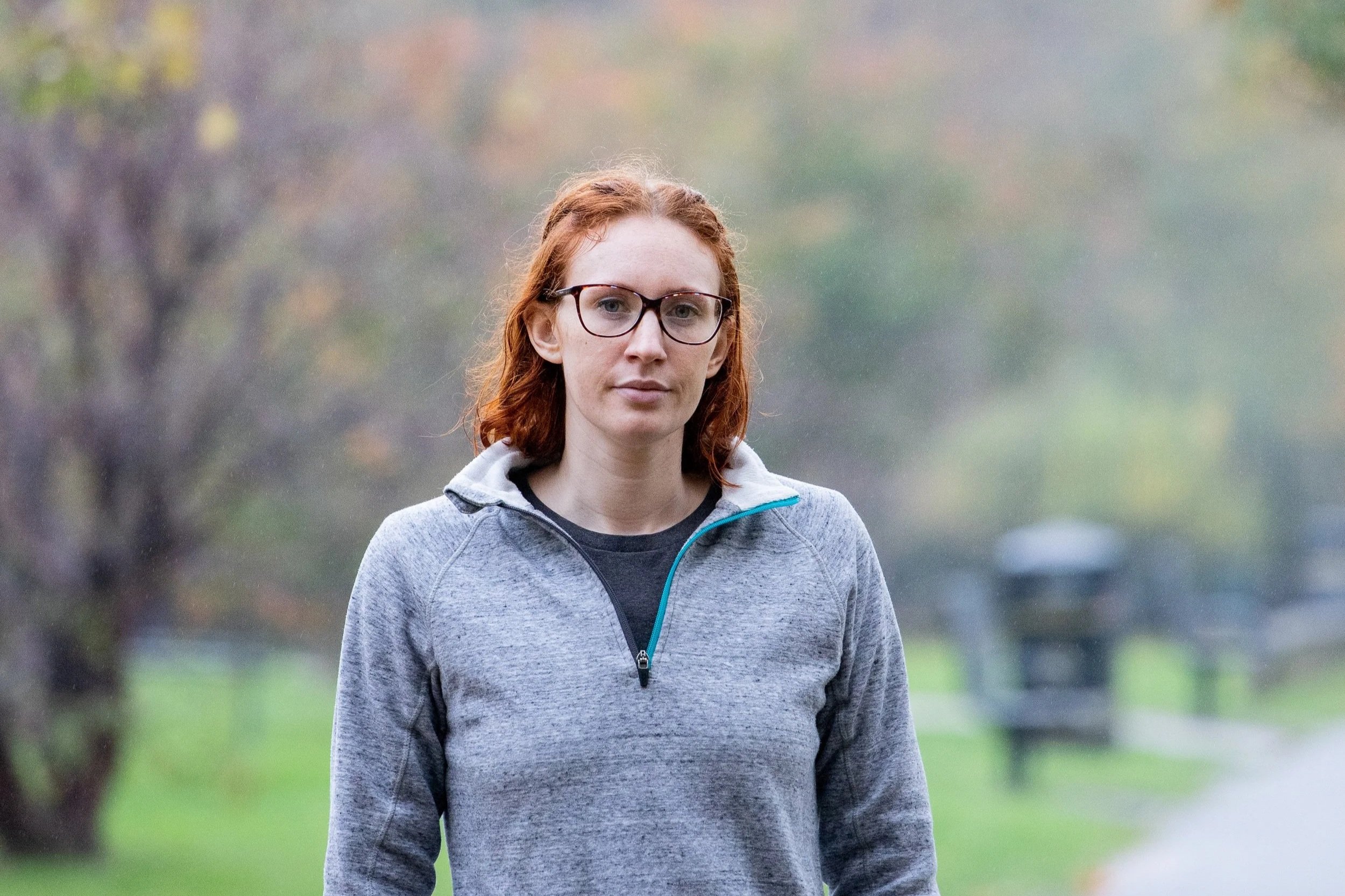
“This was a really useful intervention at a very low time in my life. It’s helped me to understand my own circumstances and to think about how I can respond differently to lead to more positive outcomes. It’s also helped me to find the tools and insight to help me move forward.” — Gil, August 2026

“I’ve had over 10 years of support from different services, and none ever really felt like it was catered to me. Talking can only be so useful, but actually being given the tools to help myself emotionally regulate and navigate difficult feelings will help me for a lifetime.” — Anonymous, April 2026

“I really appreciate the support provided by my Recovery Practitioner; she has helped me grow my confidence in myself and my decisions, whilst also making healthier choices for my mental and physical wellbeing.” — Anonymous, January 2026

“An excellent experience where I was helped to uncover what I was really experiencing. We agreed a plan forward and worked on helping me to process the grief I was experiencing; I previously had no idea what was going on.” — Alison, June 2026

“My Recovery Practitioner was very well informed on trauma, neurodivergence and neuroscience. She has helped me to understand my brain better and understand why my brain reacts and acts in certain ways. She has helped me see different pathways to start to self-regulate.” — Anonymous, October 2025
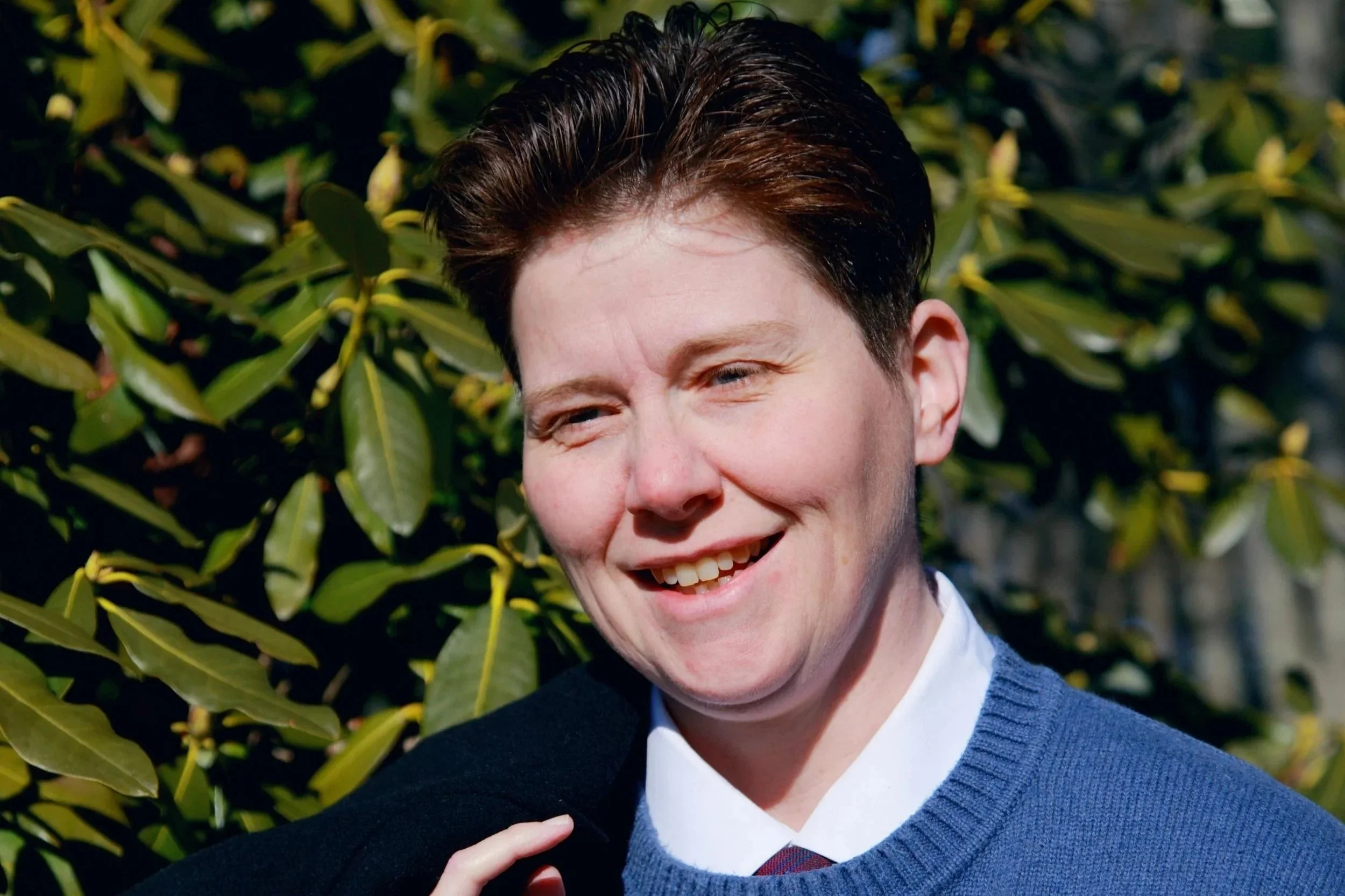
“Devon Mind is an incredible charity! The tools that [my Recovery Practitioner] has given me over our sessions to cope day-to-day have been incredible. The progress I’ve made makes me feel proud and more confident to face what life throws at me. Thank you!” — Anonymous, April 2026

“This service helped me through the darkest part of my life and has helped me develop new ways of coping and thriving.” — Anonymous, January 2026
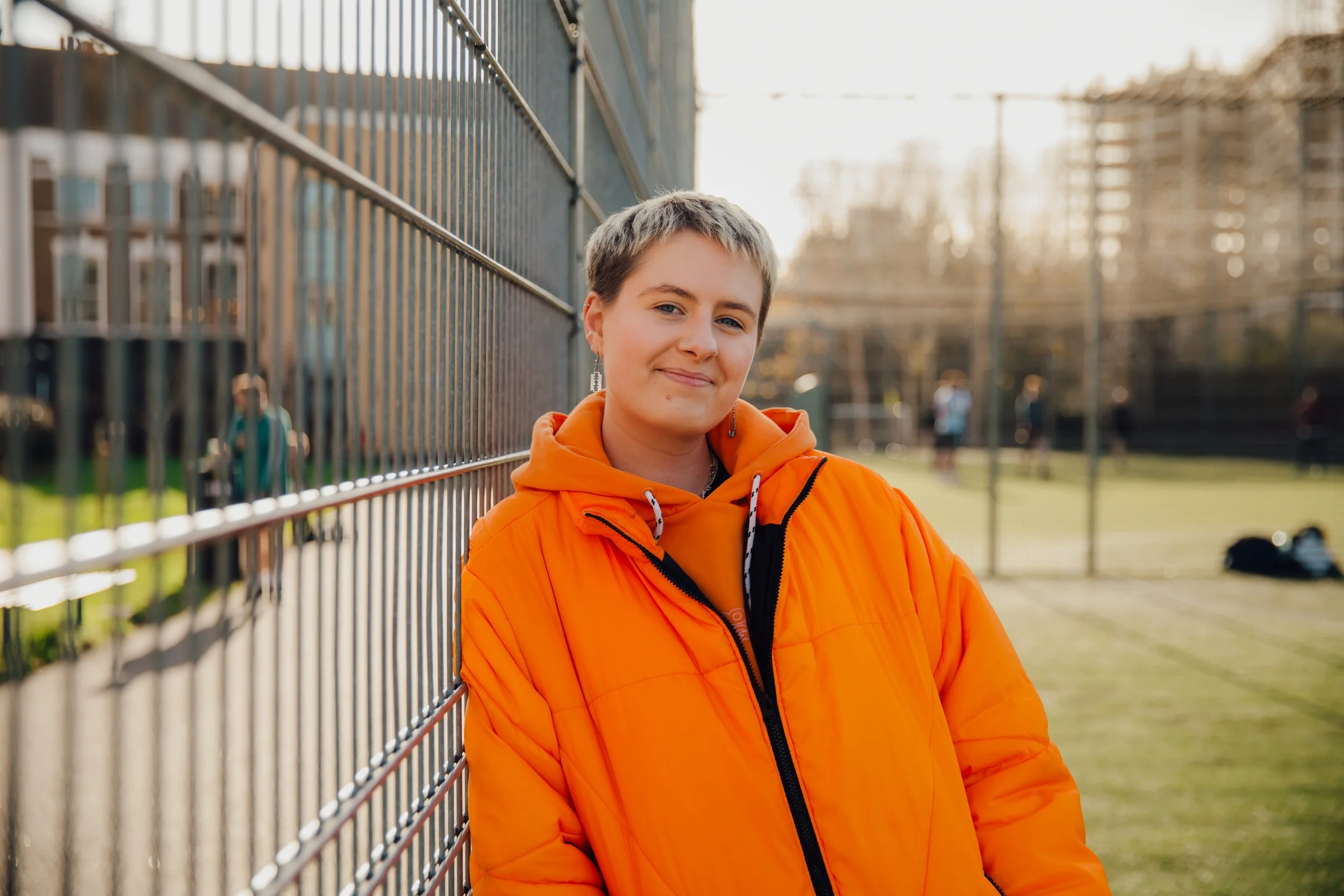
“My Recovery Practitioner has been absolutely brilliant. She’s not only helped me understand and navigate my trauma; she’s helped me to understand the impact it’s had and why. She’s given me the tools I’ve needed to take the reins on my healing process and been there to cheer me on the whole time. I don’t think I could ever thank her enough for the impact she’s had on my life.” — Eleana, October 2026

“I feel very strongly that the support I have received over the past year has helped greatly in recovery from crisis and given me a pattern for living which I think I will be able to use to self-regulate and keep myself in a safer place than before Devon Mind became involved in my care. This has given me hope for the future. The fact that I can self-refer in the future if I feel myself slipping back into a desperate and destructive bipolar mindset feels very reassuring and supportive. I feel overall that I have at last found some support from an empathetic and understanding organisation which will not abandon me if I need them again.” — Ben, September 2026

“I have been to different services and didn’t find them helpful. My Recovery Practitioner was amazing; she listened to me and guided me to a different direction, and took the time to see how she could help… I am about to start a Saturday job after not wanting to work for so long. I never realised there was so much out there and that is all down to [my RP]. I also feel empowered to make my own decisions without relying on family.” — Amanda, June 2025
Images are for illustrative purposes only — they do not represent actual Devon Mind clients
How to access our 1:1 emotional support:
Step 1: Book an Initial Triage Appointment
The first step is to book a 45-minute telephone triage appointment with one of our Recovery Practitioners. During this appointment, the Recovery Practitioner will talk with you about the support you are looking for and briefly discuss what is currently happening for you.
Together, we will consider whether our 1:1 Emotional Support service is the most suitable option for your current needs. If this service is not deemed appropriate, the Recovery Practitioner will discuss and explore other support options that may be available to you. This may include support with signposting and connecting to other more appropriate services within the community.
Available triage appointments are currently scheduled up to the Christmas break and can be booked using the link/calendar below. Once you have booked an appointment, you will receive confirmation by email. You will also receive a text message reminder before your appointment. At the arranged appointment time, a Recovery Practitioner will call you by telephone.
Please note: If you miss the call, you will have five minutes to call us back. If we do not hear from you within this time, the appointment will be closed, and you will need to book another triage appointment.
Step 2: Complete a registration form to access our 1:1 Emotional Support
If, following your triage appointment, you and the Recovery Practitioner agree that our 1:1 emotional support is suitable and meets your current needs and goals, you will be sent our working agreement and a link to complete a registration form.
Once we receive your completed registration form, we will aim to allocate you a Recovery Practitioner to begin your sessions as soon as possible. During your first session, your Recovery Practitioner will explore your goals and together agree a tailored support plan.
Book your Initial Triage Appointment:
Frequently asked questions:
Check out the answers to some common questions below. If you want to ask something else, please contact us.
-
If none of the available appointments work for you, please get in touch with our team. We’ll work with you to find a suitable alternative, as we have some flexibility within our capacity to help accommodate your needs wherever possible.
-
If this service isn’t the right fit for your current needs, we’ll explore alternative options with you. This may include other services we offer, or helping you connect with other relevant community support, so that we can work together to find the most appropriate support for you.
-
If you miss our call, you’ll have five minutes to call us back. If we haven’t heard from you within this time, the appointment will be closed, and you’ll need to book another triage appointment.
If your availability changes and you’re no longer able to attend your booked appointment, please let our team know or cancel your booking as soon as possible. This means we can offer the appointment to someone else who may need it.
-
We will endeavour to allocate a Recovery Practitioner to you within 4-8 weeks. During periods of staff leave and/or sickness, this the time frame for allocation may increase slightly, however we will do our best to keep you informed if waiting times are likely to exceed 8 weeks.
-
We will aim to have available appointments uploaded up to 8 weeks in advance. If we have any periods of additional capacity we may look to add additional triage appointments onto the calendar.