

Sleep and Wellbeing: Small steps towards a more restful night
Sleep is essential for both our physical and mental wellbeing, yet for many of us, a good night’s sleep can sometimes feel out of reach. Tossing and turning, waking too early, or feeling drained when we wake up are experiences many of us can relate to.
Short periods of poor sleep are often linked to stress, changes in routine, or simply having a lot on our minds. But when sleep difficulties continue, they can start to feel overwhelming and have an impact on how we feel and cope during the day.
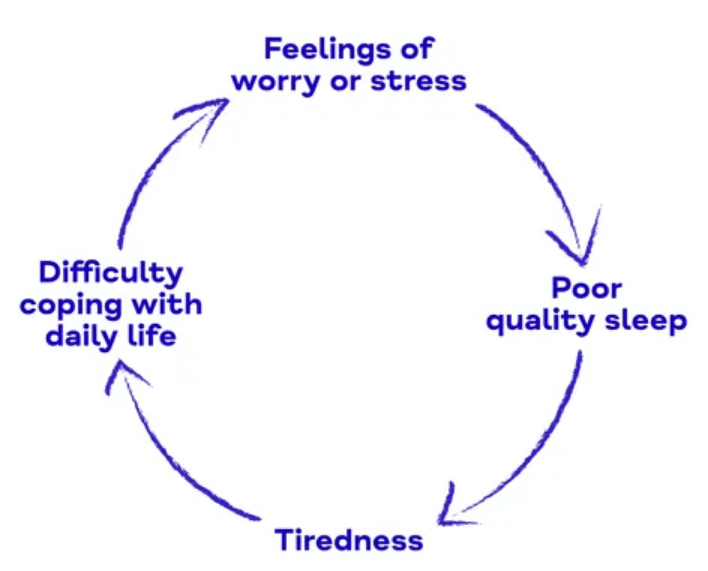
Sleep and our mental health are closely connected. When we’re tired, everyday challenges can feel harder to manage. We might feel more worried, stressed or low in confidence, which can then make it even harder to sleep. This can create a cycle that feels difficult to break.
What helps our team
We asked our team to share the strategies and small actions they find helpful when they’re struggling with sleep. These are personal approaches that have helped some of our colleagues create a calmer bedtime routine, support a more restful night, and look after their overall wellbeing.
Unwind before bedtime
Reading a book before getting into bed
Listening to an audiobook as a cue that it’s time to start winding down
Listening to sleep stories on the Calm app to help soothe the mind
Taking a few minutes to tidy and organise your space before bed to help create a calmer environment
Clear your mind
Practising mindfulness, meditation or breathing techniques
Using sleep resources on apps such as Headspace
Swimming to help you unwind and relax after a busy day
Keeping a notebook beside your bed to jot down any thoughts or worries
Taking fresh-air breaks throughout the day
Reduce screen time
Switching off devices before bed to reduce stimulation
Keeping devices out of the bedroom to avoid the temptation to check the time or messages during the night
Calm your senses
Using lavender essential oil to create a calming environment
Dimming the lights in the evening to create a more relaxing atmosphere
Listening to ASMR videos and soothing sounds
Having a warm bath or shower to help you unwind before bed
Other things to consider:
Everyone’s sleep is different, and what works for one person may not work for another. Alongside the ideas shared by our team, there are some other approaches that may be helpful to consider when it comes to developing healthy sleep habits.
Try to establish a routine
It could help to establish a regular sleeping routine and good sleeping habits. You might need to try different things to find what works for you.
You could try going to bed and waking up at around the same time every day. Or it might help to go to bed only once you feel ready to sleep, but still get up around the same time.
Don’t force yourself to sleep
If you're struggling to get to sleep, try not to force yourself. Instead, try doing something relaxing in bed, or get up and do something calming until you feel tired.
Look after yourself
Looking after your physical health can help improve your sleep. Consider your diet; some types of foods can affect your sleep, including caffeine and sugar. It can also help to avoid eating large meals right before going to bed. Increasing your physical activity and movement during the day can also help support your sleep. But try not to do this too close to when you want to sleep, as some people find this makes them feel more awake.
Fill in a sleep diary
You may find it difficult to work out what's affecting your sleep. A sleep diary involves recording information about your sleep habits and can help you understand your sleep problem and what's affecting it. This can also be useful to share with a professional if you need some further support. A sleep diary could include information about:
What time you went to bed, what time you got up, and how long you slept for
How well you slept, which you could rank on a scale or use pictures or words to describe
How many times you woke up in the night, how long you were awake, and what you did while you were awake
Whether you had nightmares, night terrors, or sleep paralysis, or sleepwalked during the night
Whether you slept during the day and for how long
The amount of caffeine, alcohol, or nicotine you have, and at what time of day
The amount of physical activity you do, and at what time of day
Your general feelings and moods, including any anxious or repetitive thoughts