

Physical Activity and Mental Wellbeing: Quick Tips and Overcoming Barriers
Physical activity is any movement your body makes that uses energy. This can be part of everyday activities, such as cleaning or cooking, or it can involve choosing to be active through a specific form of exercise. Exercise is a type of physical activity that we do intentionally, rather than as part of everyday living. It can include activities such as walking, running, cycling, or team sports. These forms of exercise can help us improve our skills, build strength, and connect with others as part of a wider community.
Physical activity has many benefits for both our mental and physical wellbeing. It can help with things like:
Managing symptoms of depression and anxiety
Memory and brain functioning
Heart, muscle, and bone health
Reducing the risk of developing some long-term health conditions, such as heart disease
Managing stress
Improving sleep
Improving your mood
Improving confidence
Connecting with nature
Socialising and meeting new people
“Many of my favourite memories with friends and family involve long walks or hikes, some of them in nature which I find very therapeutic. The beauty of walking is you get to have deep and meaningful chats as you go, because you’re not as out of breath.”
Overcoming barriers to physical activity:
Build your confidence
Any kind of physical activity can be difficult, especially at first. If you haven't done an activity before, you might feel self-conscious. You might also feel frustrated if things don’t feel right the first few times you try. Remember that it's ok to stop doing an activity that isn’t working for you.
Be kind to yourself
Sometimes we can't be as active as we might like. Our energy levels will vary on different days. It's fine to slow down or take a break.
Keep trying
It may take a while to find an activity you like. It can help to try out different activities. But you may also find that you prefer a certain class, instructor, or place to do an activity.
Work with your highs and lows
There are lots of reasons that you might find it hard to be active at certain times of day.
For example, if you take medication that leaves you feeling exhausted in the mornings. It might help to let yourself rest and build in some movement later on. Or you may find that being active in the evenings affects your sleep. You could try doing some activity earlier in the day instead.
You may also have periods when you're unable to exercise because of your mental health. Let yourself have a break if you need it, and start again once you feel better.
Try not to compare yourself to others
Set your own goals based on your abilities and what you want to achieve. Try to pay attention to how you're feeling rather than what other people are doing.
Change your routine or try something new
It might help to change when or how often you do physical activity if it no longer fits in your schedule. Or you might also want to try something new. You might enjoy different activities more at different times.
Remember that all movement counts, whatever you choose to do!
“I’ve always found that exercise is the one thing that gets me well again, with depression, it’s invaluable. It makes me feel great, just healthy and active. I don’t feel as tired or lethargic when I exercise and it makes me happy and content in myself.”
Want to become more active? We're here to help.
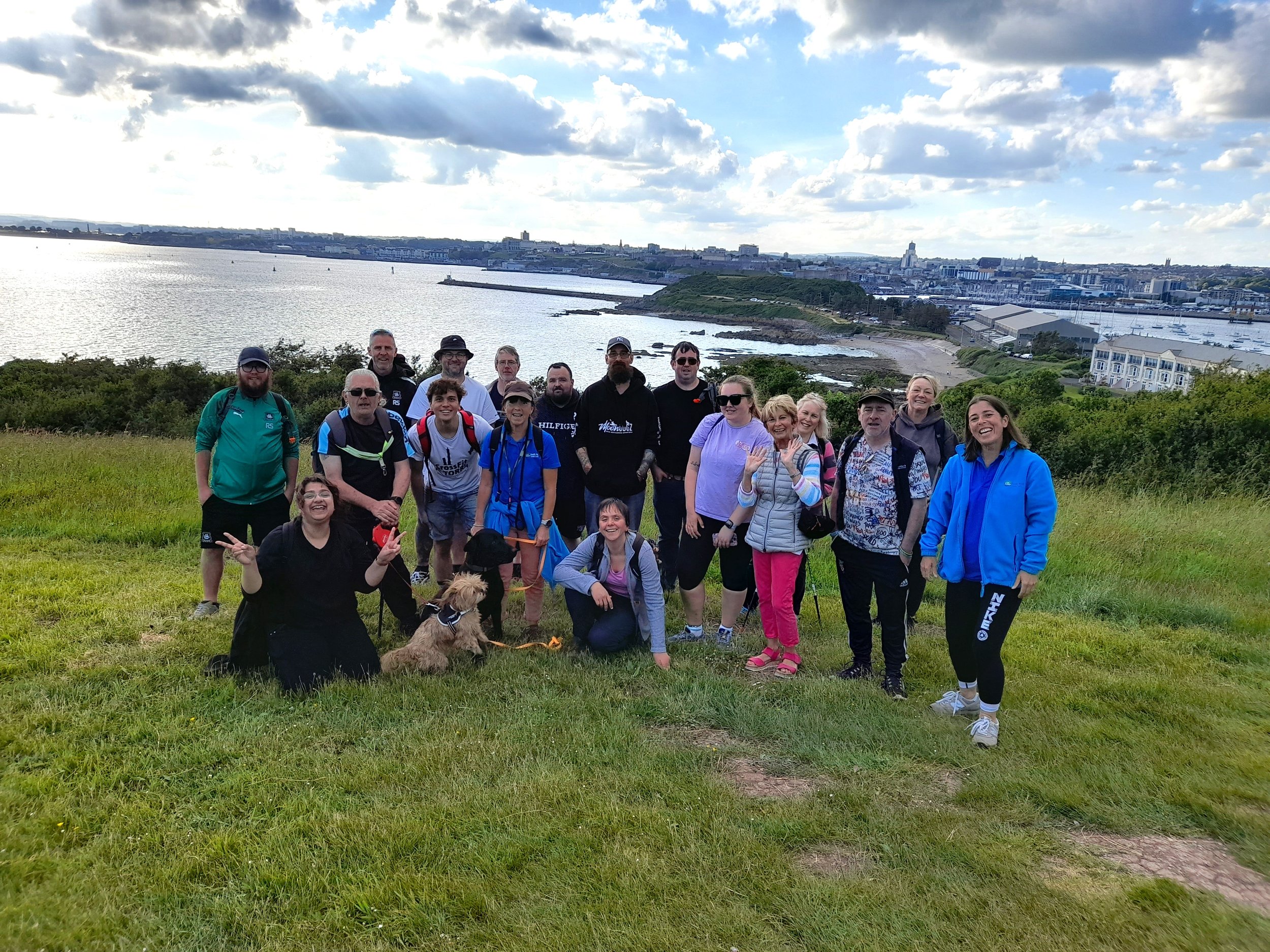
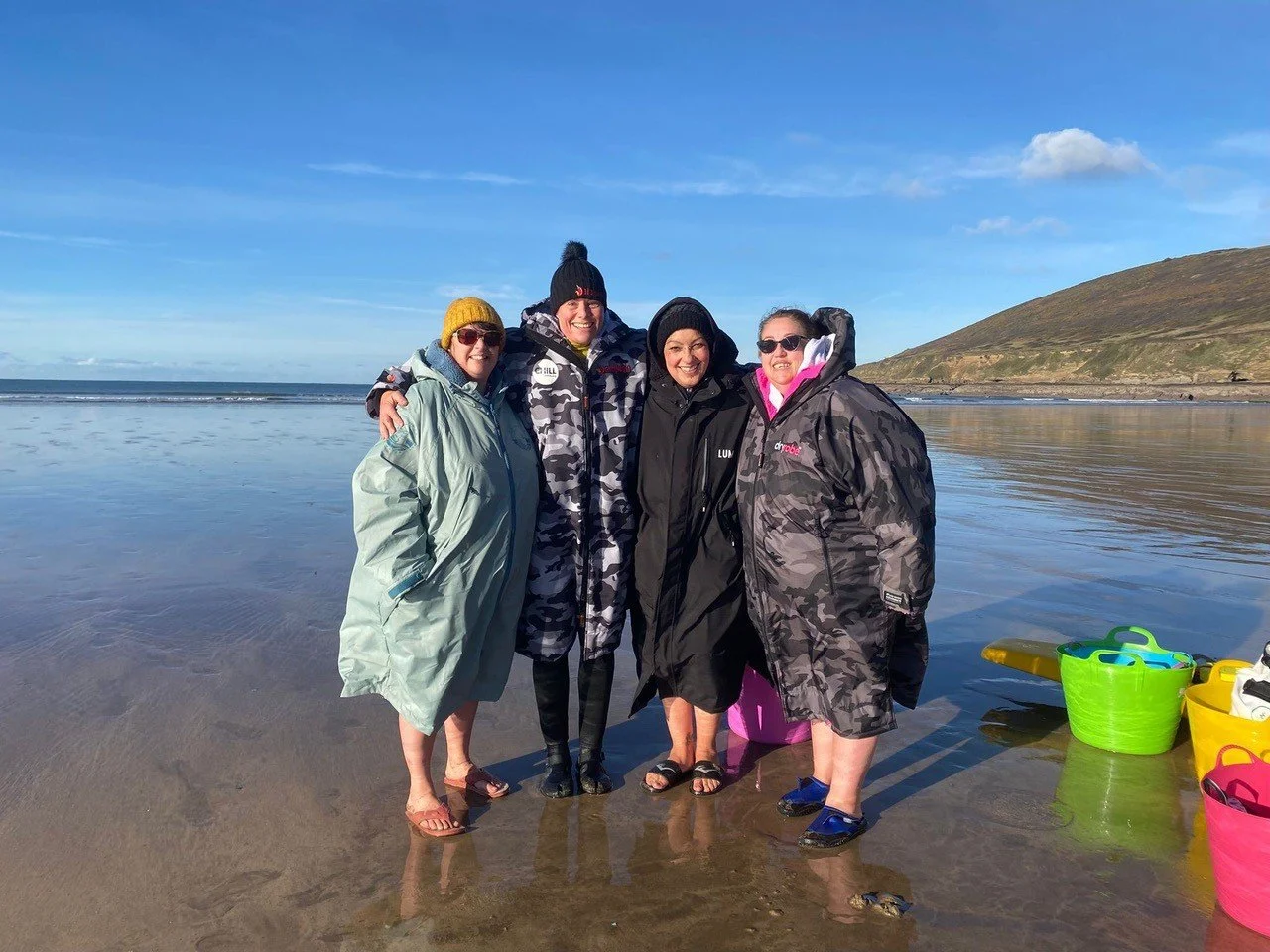
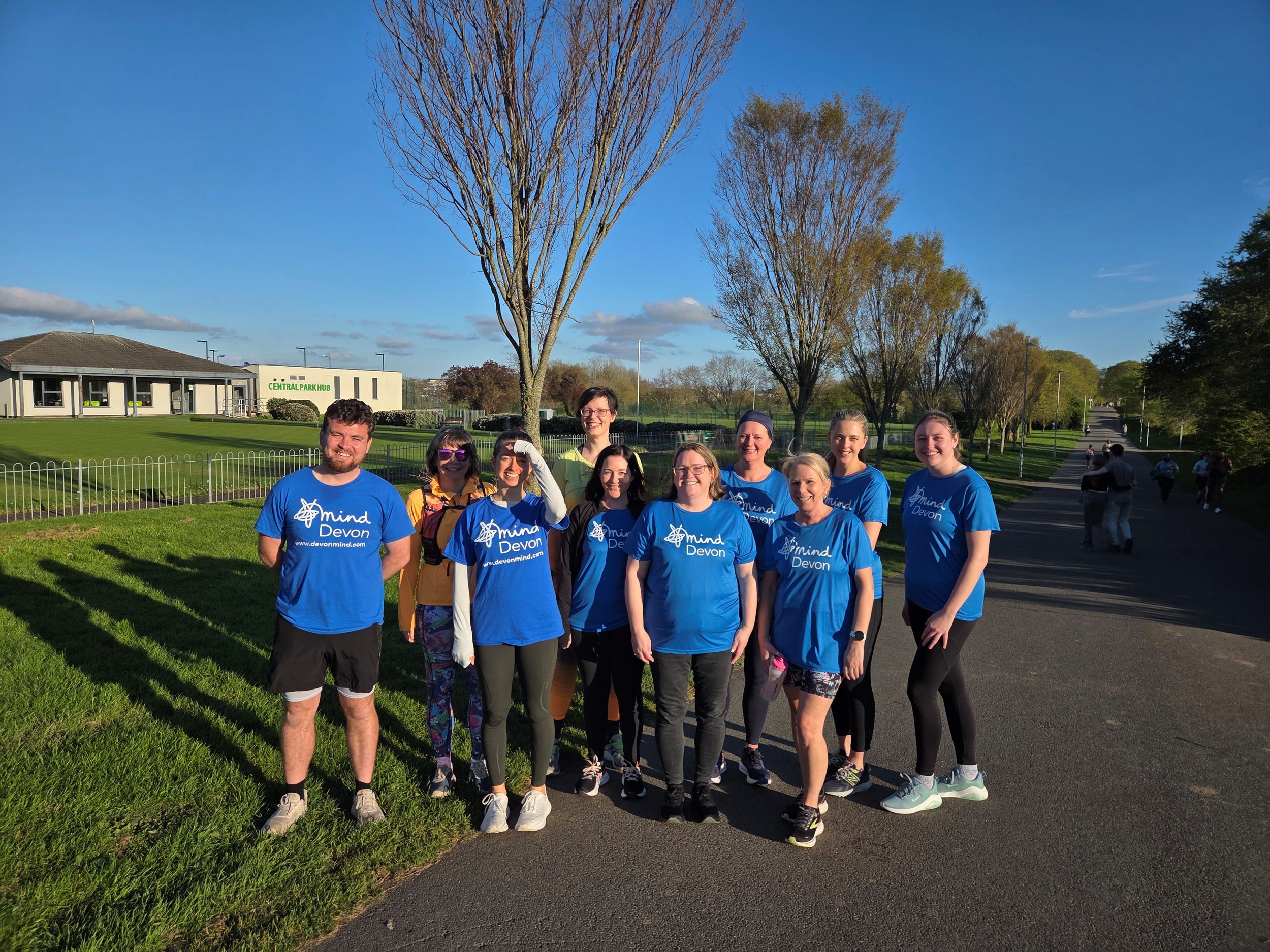
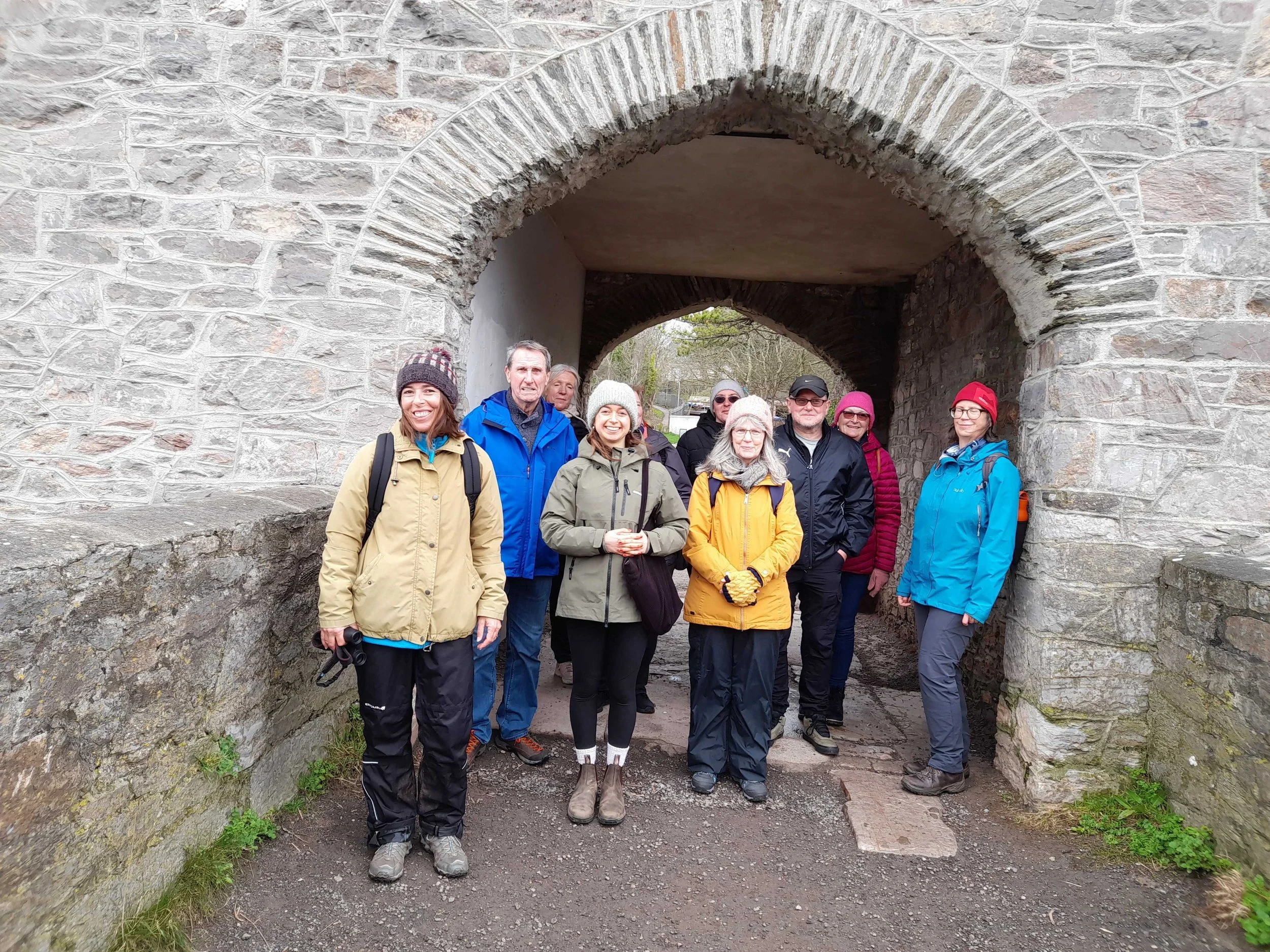
We currently offer a range of wellbeing activities in a safe and supportive environment, designed to help you take small steps towards becoming more physically active, build confidence, and connect with others. Explore the activities below to find one that's right for you.
Team Insight:
What do you do to look after your physical health, and why is this important to you?
“For me, looking after my physical health is less about pursuing fitness goals and more about feeling connected to myself. Movement is one of the main ways I regulate my nervous system, process stress, and come back into my body when life feels busy or overwhelming. I enjoy a mix of yoga, strength training, running, walking in nature, swimming in the sea, cycling, sports... Even better if I'm doing it with people I love!
What matters the most to me is that movement feels enjoyable and nourishing rather than something I force myself to do. I've learned that consistency for me comes much more naturally when movement feels like an act of self-care rather than self-discipline. I feel first-hand the interconnectedness of body, mind, and spirit. When I move well, sleep well, eat good food, and spend time outdoors, I feel grounded, and I have more energy, clarity, resilience, and capacity to be present with the people around me. I couldn't do my work as a Recovery Practitioner if I didn't look after my health first and foremost. It's one of the simplest and most effective ways I know to support my sense of wellbeing.
Over time, I've built a relationship with my body based on care, trust, and respect. I've learnt that my body is very wise, and when I listen to its impulses to move, to rest, to nourish, to fast, to speed up, to slow down, I feel my best.”
— Carla, Devon Mind Recovery Practitioner — Physical Activity